



Buying a quality extra virgin olive oil is an art that begins with reading the label. The label is a valuable source of information that helps guarantee the authenticity and excellence of the product.
One of the key elements is the PDO mark (DOP in Italian), which stands for Protected Designation of Origin. This label certifies that the oil comes from a specific geographical area and that every stage of its production took place in that area, following strict quality standards.
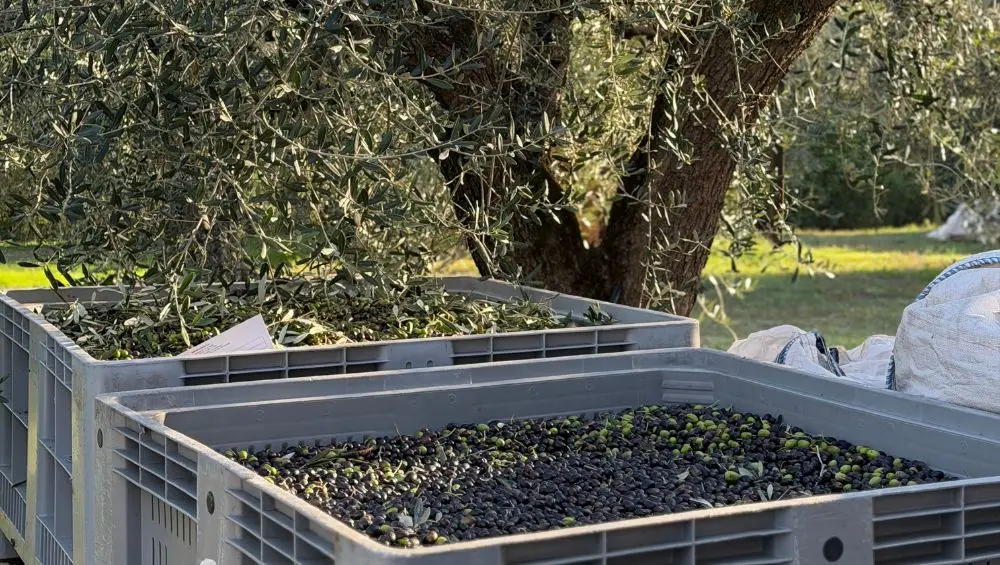
Besides PDO, there are other local marks created by producer consortia and local distributors. One example is our Paladino, an extra virgin olive oil made from olives grown and harvested exclusively by Arpo producers in Emilia-Romagna. These local certifications bear witness to the commitment and passion of small producers in promoting their land.
Among the quality indicators, the expiry date is fundamental: a good extra virgin olive oil keeps its properties unchanged for about 18 months from packaging.
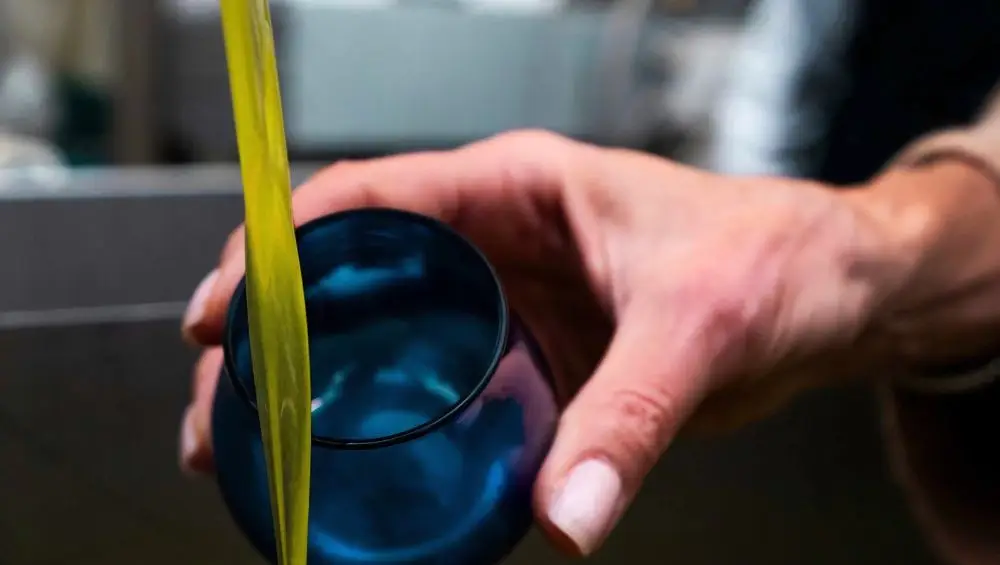
Colour can also offer useful clues. Extra virgin olive oil stands out for its intense colour, with shades ranging from golden yellow to emerald green. However, it’s the aroma that really makes the difference. A fresh, fruity aroma is the unmistakable sign of a high-quality oil, recognisable even by less experienced noses.
Finally, flavour is another key indicator. A good extra virgin olive oil is bold, savoury and intense, with a pleasantly bitter and peppery aftertaste, a sign of the presence of polyphenols.

Today the quality of extra virgin olive oil can also be assessed using technical tools such as the panel test. This method is governed by EEC Regulation No 2568/91 and involves sensory and chemical analyses that measure parameters such as acidity, phenolic compounds and peroxides. It is an extremely precise system, used to guarantee high standards.
Alongside scientific methods, there are traditional methods handed down by great producers. One of them is to pour a small amount of oil into the palm of your hand and rub your hands together gently. The warmth of your hands helps release the aromas, allowing you to appreciate the freshness and quality of the product.
If, while visiting the historic villages of Italy, you come across a small local producer, remember to try the hand test: a simple, age-old gesture that will help you recognise a truly special oil.