



We’re delighted because so many of you write to us asking for more clarity on the articles in our blog.
Lately many of you have asked us to explain better how extra virgin olive oil is extracted from olives.
Well, we hope this article will finally make things clear.

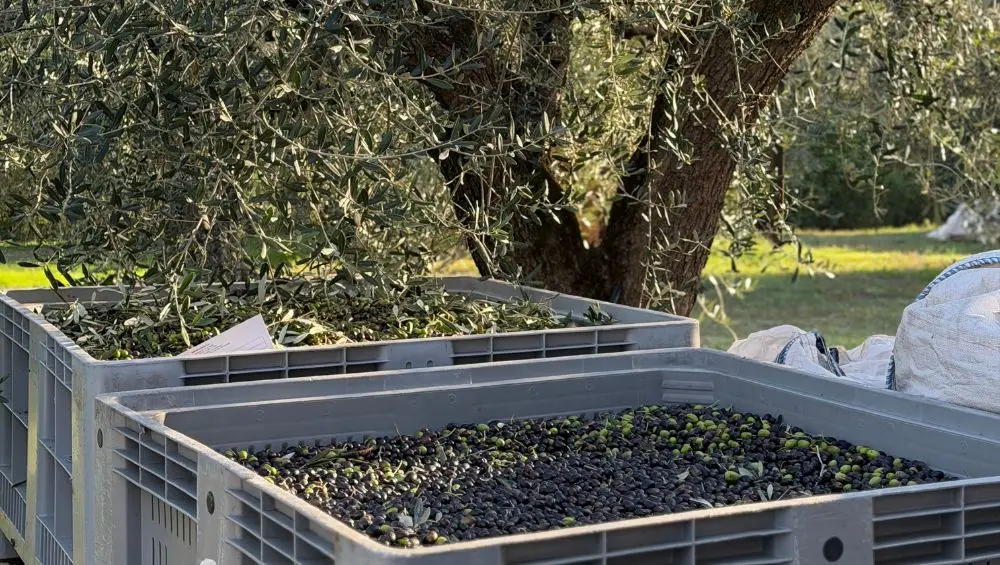
What happens after the olives are harvested?
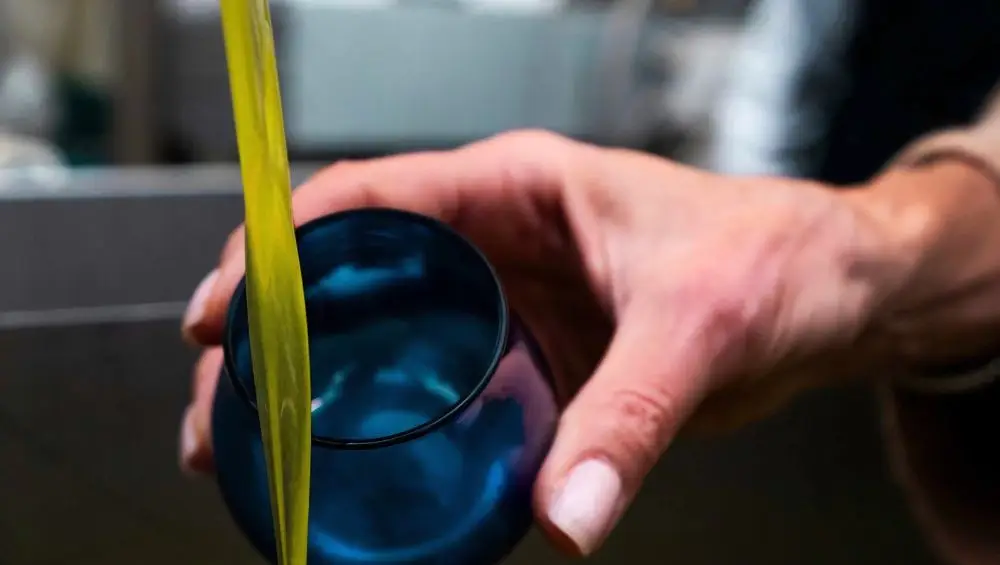
How do we get that wonderful golden thread we use every day in the kitchen?
One of the key steps is extracting the oil from the olive paste, a process that can be carried out using two main methods: cold pressing and centrifugal extraction.
Cold pressing: the art of tradition
Cold pressing is the oldest and most traditional method of extracting olive oil.

In this process, the crushed olives are turned into a paste that is spread onto fibre discs (once made of jute). These stacked discs are then pressed using a mechanical press.
The constant pressure applied to the discs extracts the oil, which slowly flows out together with a small amount of vegetation water.
The term “cold” means that throughout the process the temperature never exceeds 27 °C, thus preserving the oil’s sensory properties.
This method produces an oil rich in aromas, with intense fruity notes and a full flavour.

The low temperature, in fact, keeps nutrients and antioxidants intact, such as the polyphenols that give extra virgin olive oil its well-known health-promoting properties.
Centrifugal extraction: technological innovation
Alongside the traditional method, centrifugal extraction is becoming increasingly common today: a modern process that uses technology to separate the oil from the olive paste quickly and efficiently.
After crushing, the paste is fed into a centrifuge which, spinning at high speed, separates the oil from the water and solid residues (pomace).
This method has several advantages: first of all, it’s faster than cold pressing, making it possible to process large quantities of olives in less time. In addition, extraction takes place under controlled conditions, reducing the risk of oxidation and improving the overall yield.

Which is the best method?
There’s no real winner between these two methods; what matters is that the extraction is cold. The choice depends mainly on the type of olives being processed.
Extraction by pressure using a mechanical press is preferred by those aiming for more artisan production, with particular attention to the aromatic nuances and character of the oil.
Centrifugal extraction, on the other hand, is perfect for those who want to optimise production times without giving up an oil that is still excellent and rich in nutrients.
In both cases, what really counts is the care and attention given to every stage of the process. From harvesting the olives to the final extraction, olive oil remains a symbol of quality and authenticity, a treasure that continues to tell the story of our land.
-

Gift Box – Black Box with 3 Monocultivar Oils
59,50€ Add to cart -
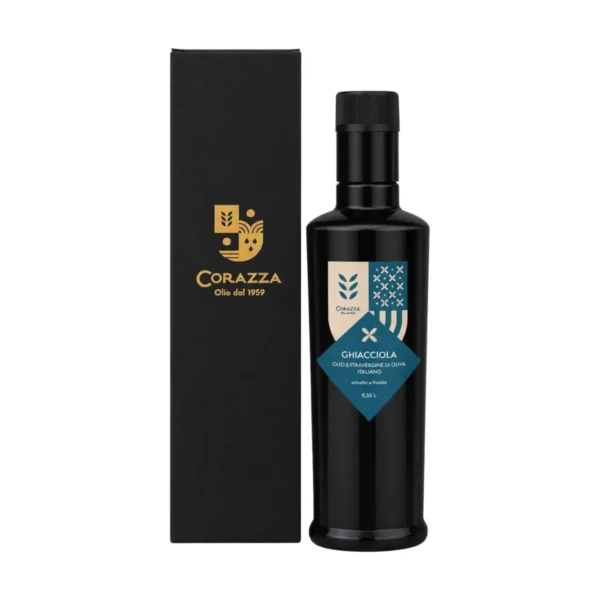
Gift Box – Black Box with Ghiacciola Monocultivar
22,50€ Add to cart -
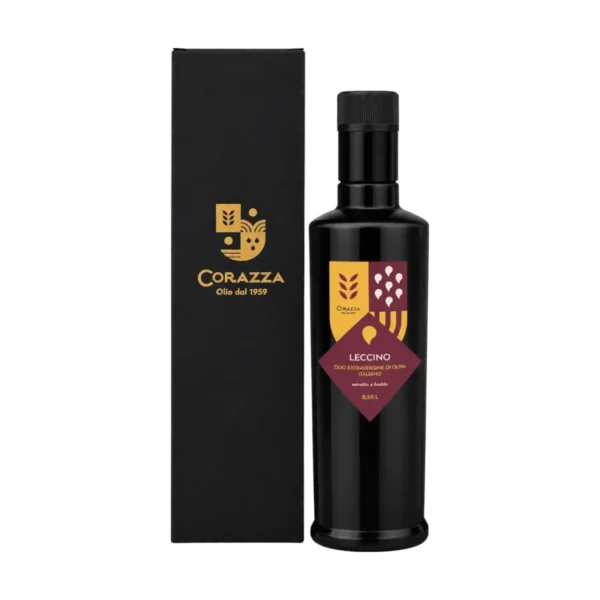
Gift Box – Black Box with Leccino Monocultivar
20,50€ Add to cart -
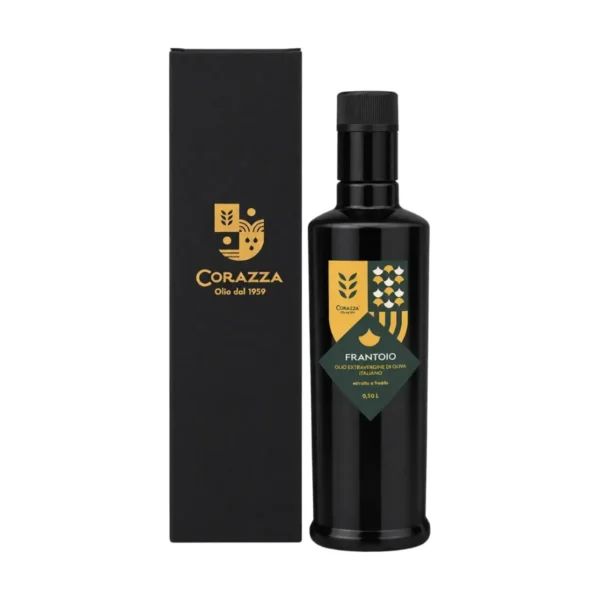
Gift Box – Black Box with Frantoio Monocultivar
20,50€ Add to cart -
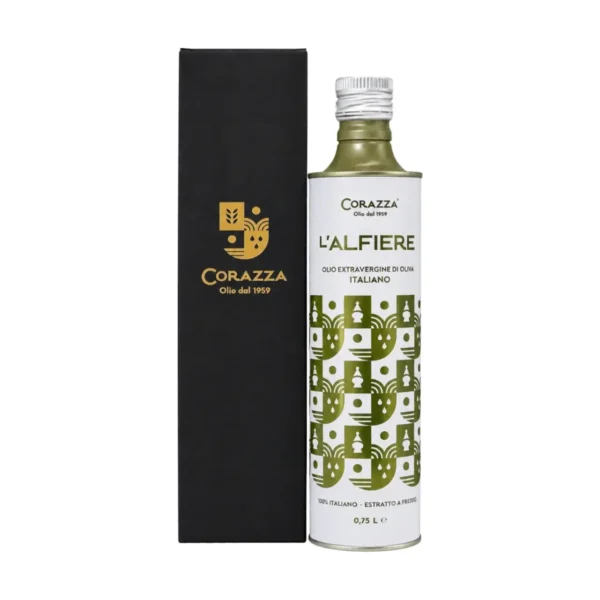
Gift Box – Black Box with L’Alfiere 0.75 L
17,50€ Add to cart -
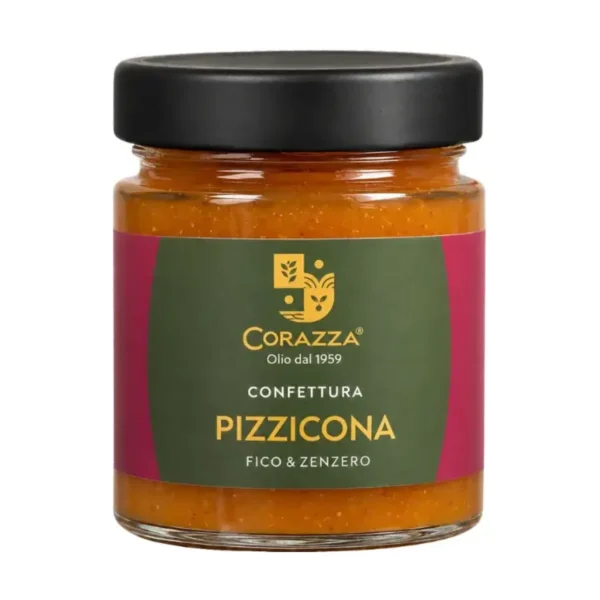
Pizzicona Jam – Fig and Ginger 240 g
6,90€ Add to cart