


The role of an olive mill today: guiding those who choose oil
For a long time an olive mill’s work was associated almost exclusively with production:
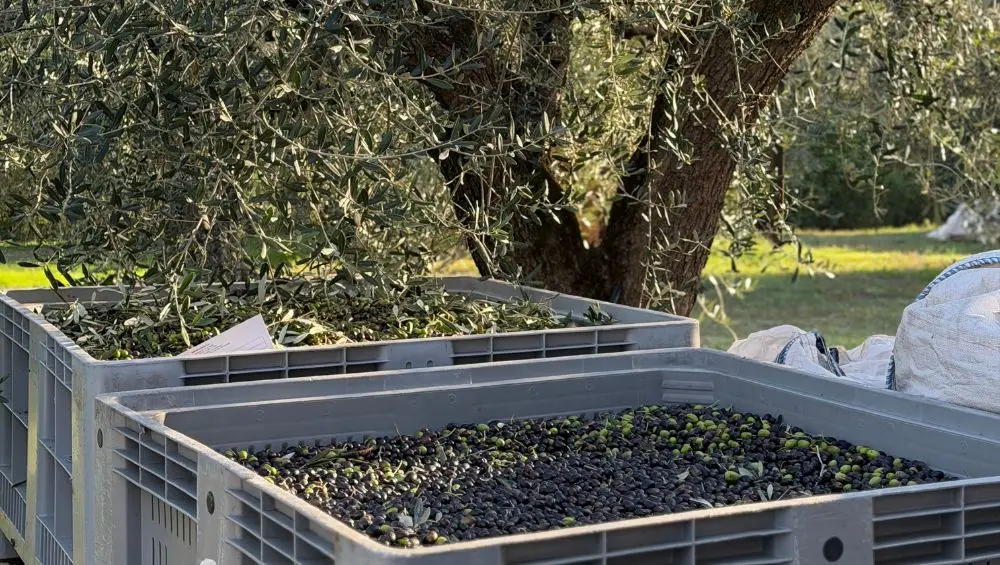
growing olive trees, harvesting the olives, turning them into extra virgin olive oil.
Today, however, that’s no longer enough.
The world of olive oil has changed: consumers are more discerning, restaurateurs are looking for products with an ever stronger identity, and quality is measured not only by the end result, but also by the ability to tell and explain what ends up on the table.
That’s why an olive mill’s role today isn’t just to produce oil.
It’s also to guide those who choose it.
Extra virgin olive oil is one of the most common foods on our tables, yet at the same time one of the least understood.
It is very often seen as a “simple” ingredient, almost taken for granted.
In reality, behind a bottle of oil there is a whole world of:
- different cultivars
- different territories
- production methods
- unique aromatic characteristics
Understanding these differences means discovering that there isn’t just one oil, but many different ways of interpreting it. This is where the olive mill can play a fundamental role: spreading olive oil culture.
Helping consumers make informed choices
When people buy an extra virgin olive oil, they often rely on just a few things: the price, the label or simply habit.
But choosing an oil means much more.
It means understanding:
- where the olives come from
- how and when they were harvested
- how they were processed
- what aromatic profile the oil has
An olive mill can accompany consumers on this journey, helping them become more aware. Because when you truly know olive oil, the way you use it in the kitchen and enjoy it at the table changes too.
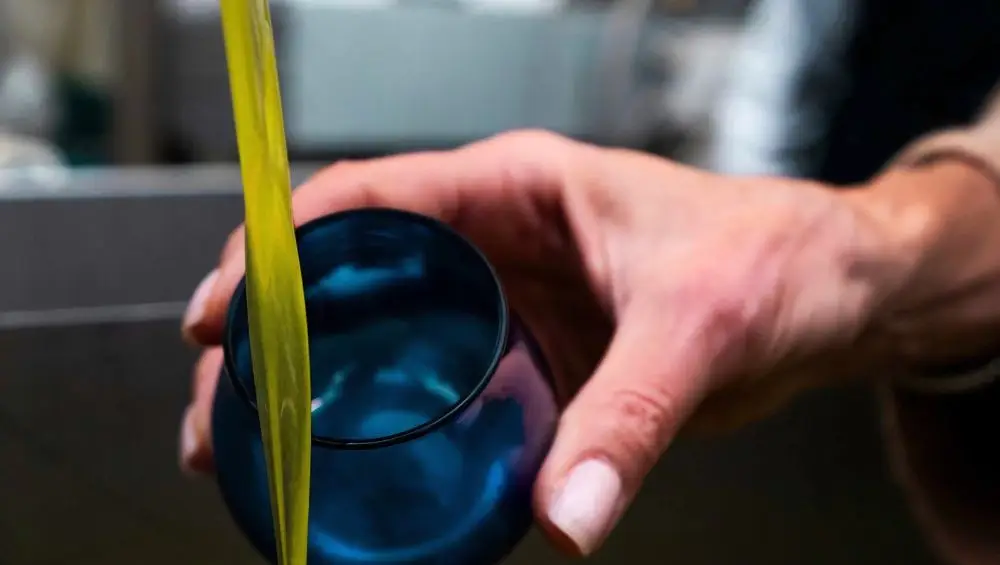
One of the most important tools for getting closer to olive oil culture is tasting.
Tasting an oil technically lets you discover aspects that often go unnoticed:
- the scent of fresh olives
- grassy or fruity notes
- the balance between bitterness and pungency
These elements are not defects, but natural characteristics of a quality extra virgin olive oil.
Once we learn to recognise them, oil stops being a simple dressing and becomes an ingredient that can enhance any dish.
Dialogue with restaurateurs and culinary professionals
This awareness is increasingly present in the restaurant world too.
Many chefs and restaurateurs today are looking for extra virgin olive oils that pair with their dishes, just as happens with wine.
An oil can:
- enhance a preparation
- bring balance to a dish
- add character to a recipe
That’s why dialogue between olive mills, restaurateurs and culinary professionals is becoming more and more important.
It’s not just about supplying a product, but about building a shared, informed choice.
Producing good oil naturally remains the starting point.
But today an olive mill can do something more: become a point of reference for anyone who wants to really get to know this product.
That means studying oil, exploring it in depth, analysing it and telling its story with expertise.
Because extra virgin olive oil isn’t just a food.
It’s part of our culture, our land and our culinary identity.
And guiding those who choose it towards greater awareness is perhaps one of the most important responsibilities of those who produce it.